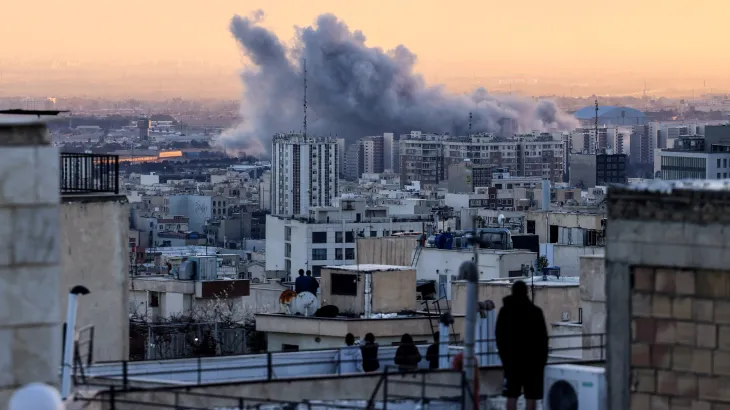
Introduction to Middle East War and Global Economy
The ongoing tensions and wars in the Middle East have always had a major impact on the global economy. Since the Middle East is one of the world’s largest oil-producing regions, any conflict in countries around this area directly affects fuel prices, trade routes, investments, and overall economic stability. In 2026, experts believe that if geopolitical tensions continue, countries across the world, including India, may experience higher inflation and slower economic growth.
India is heavily dependent on global trade and oil imports, which makes the country vulnerable to geopolitical conflicts such as the ongoing Iran crisis.
One of the biggest concerns during any Middle East conflict is the rise in crude oil prices. India imports a large amount of oil from international markets. When oil prices increase globally, transportation costs, manufacturing expenses, electricity generation, and logistics become more expensive. This eventually affects the prices of daily goods and services. Common people start paying more for fuel, food, travel, and household products.
India is heavily dependent on global trade and oil imports, which makes the country vulnerable to geopolitical conflicts such as the ongoing Iran crisis.

Impact on Oil Prices and International Markets
Another major impact is on international trade and stock markets. Investors become cautious during wartime situations, and global markets often become unstable. Foreign investments may slow down, currencies can weaken, and import-export businesses face uncertainty. Countries dependent on oil imports, like India, become more vulnerable to inflationary pressure.
Looking toward 2026, Indian inflation may remain under pressure if Middle East tensions continue for a long period. Rising fuel prices could increase the cost of construction materials like steel, cement, transportation, and labor. This can directly impact the Indian real estate sector as property development costs may rise. However, India’s growing economy and government infrastructure projects may help balance some of these challenges.
The Reserve Bank of India (RBI) may continue monitoring inflation carefully in 2026. If inflation rises sharply, interest rates could remain higher for a longer period. Higher interest rates can affect home loans and property affordability for buyers. Despite this, real estate in developing cities and growth regions may continue attracting investors because property is still considered a safer long-term asset during uncertain global conditions.
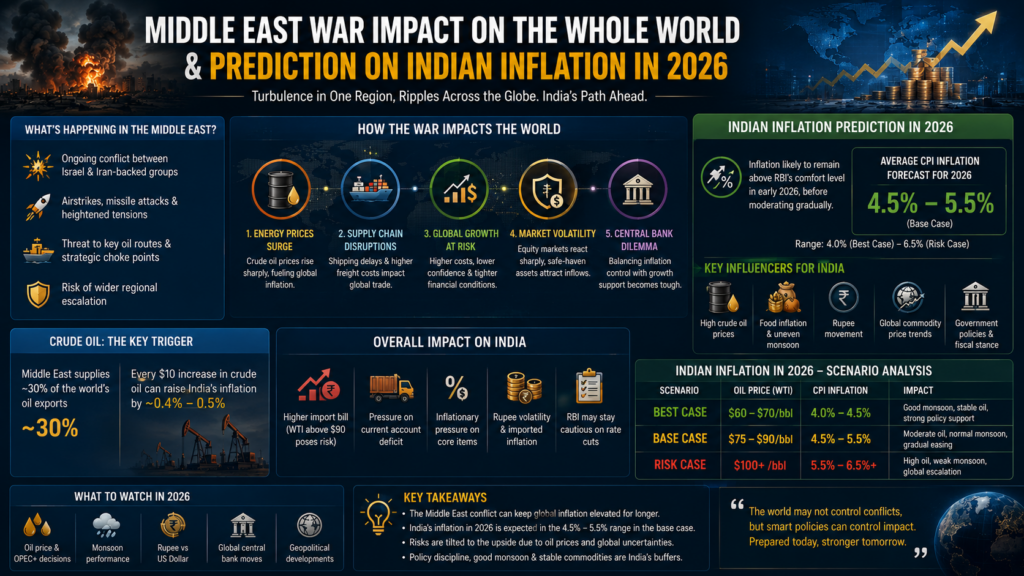
How the Conflict Can Affect India
India is also focusing on strengthening trade relations with multiple countries and increasing domestic manufacturing through initiatives like “Make in India.” These efforts may reduce dependency on imports over time and help stabilize inflation in the future. Additionally, renewable energy investments and electric vehicle adoption can gradually reduce the country’s dependence on expensive crude oil imports.
For investors and homebuyers, 2026 may become a year of cautious but strategic decision-making. Real estate markets in strong infrastructure zones and fast-growing cities may continue performing well despite global uncertainty. Smart investors usually focus on long-term opportunities instead of temporary market fear.
In conclusion, the Middle East war situation can affect the entire world economy, especially countries dependent on oil imports like India. Inflation in India during 2026 may stay moderately high if global conflicts continue. However, India’s economic growth, infrastructure development, and real estate demand are expected to keep the country moving forward. For buyers and investors, understanding global economic trends will become important while making future financial and property decisions.
